Planting a Mini Wildflower Meadow: A Step-by-Step Guide for Pollinators
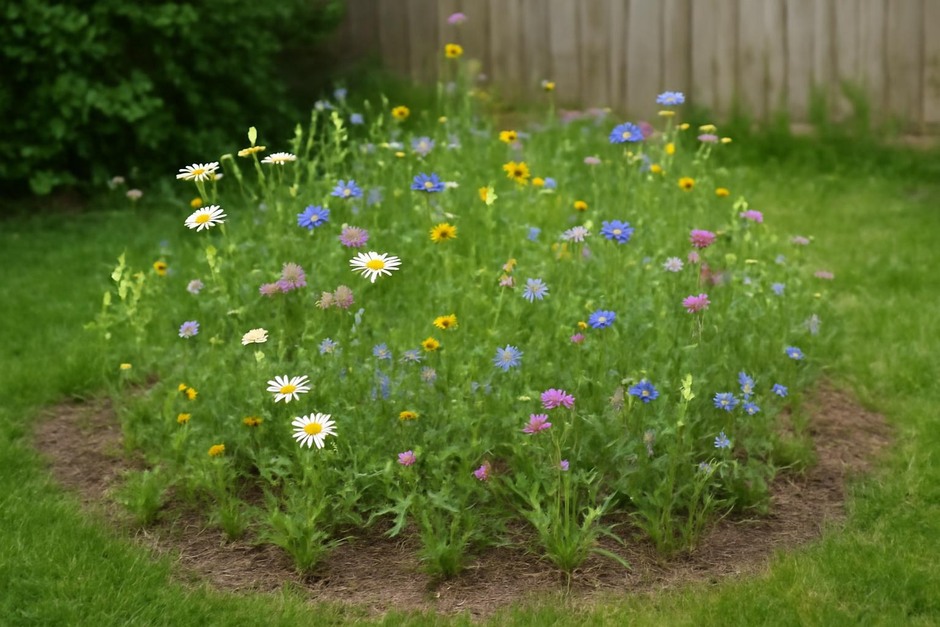
Mini wildflower meadows are compact, low-maintenance habitats that support bees, butterflies and other beneficial insects. The key principles are matching plants to site conditions, favoring native species, and creating structural variety through a mix of annuals and perennials. Below is a step-by-step method designed for a small patch (roughly 5–10 m²), followed by practical variations and troubleshooting tips that connect those principles to simple, real-world choices.
Step-by-step method
-
Choose the site and size.
Principle: Sun exposure and disturbance determine plant choices. For a thriving pollinator patch, pick a spot that gets at least 4–6 hours of sun. Avoid areas that stay waterlogged.
Example: For a 6 m² patch (about 2 x 3 m), mark the corners with stones or stakes so you can visualize the area.
-
Assess soil and drainage.
Principle: Wildflowers are adaptable, but soil fertility and drainage influence species mix. Lean soils often suit native wildflowers better than rich, heavily fertilized ground.
Quick test: Dig a small hole 20 cm deep. If water remains after 24 hours, soil is poorly drained; choose moisture-tolerant species. If soil is dark and crumbly, favor species that tolerate moderate fertility.
-
Select a seed mix and proportions.
Principle: A balance of perennials and annuals provides immediate color and long-term structure. Aim for roughly 60–70% perennials, 30–40% annuals (by seed count) for continuity.
Example mix for 6 m²: 60% perennial species like oxeye daisy, black-eyed Susan and wild lupine; 40% annuals like cornflowers and poppies to fill gaps in year one.
-
Prepare the site.
Principle: Reducing competition from grasses and weeds gives wildflower seeds a better start. Mechanical methods are gentler than herbicides.
- Cut existing vegetation short and remove thatch.
- For small patches, hand-dig or strip turf to a depth of 5–10 cm.
- Rake the surface to a fine tilth so seed-soil contact is good.
Example: On a 6 m² patch, roll up turf from a 1 m width at a time and compost it; then lightly fork the remaining roots out.
-
Sow at the right time and depth.
Principle: Many wildflower seeds benefit from surface sowing and light exposure to germinate. Timing depends on climate—autumn or early spring are common.
Method: Mix seeds with dry sand at a ratio of about 1:5 by volume for even distribution. Broadcast evenly across the patch and press seeds into the soil with a board. Do not bury seeds more than 1–2 mm deep.
-
Water and protect.
Principle: Gentle moisture helps germination; avoid creating a constantly damp environment that favors grasses.
Example care: Water lightly once daily for the first two weeks if rainfall is absent, then reduce. Use a simple net or cloche if birds are a problem in the seedling stage.
-
First-year maintenance and beyond.
Principle: Expect a bit of cleanup and selective management. Annuals will flower quickly; perennials often take a year to establish.
Tasks: In late summer of year one, cut seed heads if you want to prevent aggressive self-seeding or leave them to feed birds. In early spring of year two, mow at 10–15 cm and remove arisings to keep fertility low.
Variations
Container or raised-bed mini meadow
Use a large, shallow container (minimum 60 cm diameter). Fill with a well-draining, low-fertility compost mix, then follow the same sowing approach. Containers suit balconies or small patios; water more regularly as pots dry faster.
Meadow strip along a path
For narrow strips (0.5–1.5 m), stagger perennial clumps with annuals in drifts so blooms appear continuous. Edge the strip with gravel to reduce grass invasion and create a neat border.
Partial-shade meadow
If the site gets only 3–4 hours of sun, choose shade-tolerant natives like foxglove, primrose and certain violets. Increase the proportion of perennials to provide structure under lower light.
Troubleshooting
-
Poor germination:
Cause: Seeds too deep, lack of seed-soil contact, or sowing at the wrong season. Fix: Lightly rake and resow bare patches in early spring or autumn, using the sand-mix method for even distribution.
-
Grasses taking over:
Cause: High soil fertility or incomplete removal of turf. Fix: In autumn, cut the area short and remove clippings; in spring, spot-remove dominant grass clumps by hand and overseed gaps with perennial wildflowers.
-
Too few blooms in year one:
Cause: Perennials still establishing. Fix: Be patient—many perennials bloom more heavily in year two. Add a few annuals in the early spring to boost color if desired.
-
Pests and slug damage:
Cause: Young seedlings are vulnerable. Fix: Use protective collars around seedlings, encourage natural predators (birds, beetles), and avoid overwatering in the evenings.
By connecting simple ecological principles—site matching, species mix, and low fertility—with concrete actions on a small scale, you can establish a resilient mini wildflower meadow that supports pollinators and adds seasonal interest to the garden. Start small, observe each season, and adjust the mix and management to suit your local conditions.